Japan has 16 national holidays, set out in the Act on National Holidays. They affect government offices, banks, courts, embassy schedules, and travel demand, but they do not mean every shop or tourist attraction closes. For a trip, appointment, or payment, check the official calendar of the institution involved rather than relying on the holiday name alone.
How Japan National Holidays Turn Into Days Off
The Act on National Holidays (Act No. 178 of July 20, 1948) lists the 16 holidays in Article 2. Article 3 adds two rules that can create extra days off.
When a national holiday falls on a Sunday, Article 3(2) makes the next day that is not already a holiday a substitute holiday (furikae kyujitsu). In 2026, Constitution Memorial Day falls on Sunday, May 3, and May 4 and 5 are holidays too, so Wednesday, May 6 becomes the substitute holiday. In 2027, Vernal Equinox Day falls on Sunday, March 21, so Monday, March 22 is a day off.
A day sandwiched between two national holidays becomes a Citizens’ Holiday (kokumin no kyujitsu) under Article 3(3). Tuesday, September 22, 2026 is one, because Respect for the Aged Day is September 21 and Autumnal Equinox Day is September 23.
The Happy Monday System moved four holidays from fixed dates to Mondays to create three-day weekends: Coming-of-Age Day and Sports Day in 2000, followed by Marine Day and Respect for the Aged Day in 2003. The number of holidays stayed the same.
The 16 Japan Public Holidays and Their Dates
The calendar mixes fixed dates, Monday-based holidays, and two equinox days. The equinox dates are calculated by the National Astronomical Observatory of Japan and announced in the official gazette each February for the following year.
New Year through the Golden Week holidays
- New Year’s Day — January 1; celebrates the beginning of the year.
- Coming-of-Age Day — second Monday in January (January 12, 2026; January 11, 2027); celebrates young people who have become adults.
- National Foundation Day — February 11; marks the founding of the nation, traditionally dated to Emperor Jimmu’s accession in 660 BCE.
- Emperor’s Birthday — February 23; the birthday of Emperor Naruhito, observed on this date since 2020.
- Vernal Equinox Day — around March 20 (March 20, 2026; March 21, 2027); honors nature and living things.
- Showa Day — April 29; looks back on the Showa era (1926–1989) and opens Golden Week.
- Constitution Memorial Day — May 3; marks the day Japan’s post-war Constitution took effect in 1947.
- Greenery Day — May 4; a day to enjoy nature and be grateful for its blessings.
- Children’s Day — May 5; honors children’s personality and happiness and expresses gratitude to mothers.
Summer through year-end holidays
- Marine Day — third Monday in July (July 20, 2026; July 19, 2027); gives thanks for the blessings of the sea.
- Mountain Day — August 11; Japan’s newest holiday, first observed in 2016.
- Respect for the Aged Day — third Monday in September (September 21, 2026; September 20, 2027); honors older people and celebrates long life.
- Autumnal Equinox Day — around September 23 (September 23 in both 2026 and 2027); honors ancestors and remembers those who have died.
- Sports Day — second Monday in October (October 12, 2026; October 11, 2027); promotes sports and health. It began as a commemoration of the 1964 Tokyo Olympics.
- Culture Day — November 3; promotes culture, the arts, and learning.
- Labor Thanksgiving Day — November 23; honors work and production and encourages mutual thanks.
Counting the substitute holiday and the Citizens’ Holiday, Japan has 18 holidays in 2026. In 2027 there are 17: the 16 national holidays plus the March 22 substitute holiday, and no Citizens’ Holiday.
Japan Golden Week and Silver Week Need Early Planning
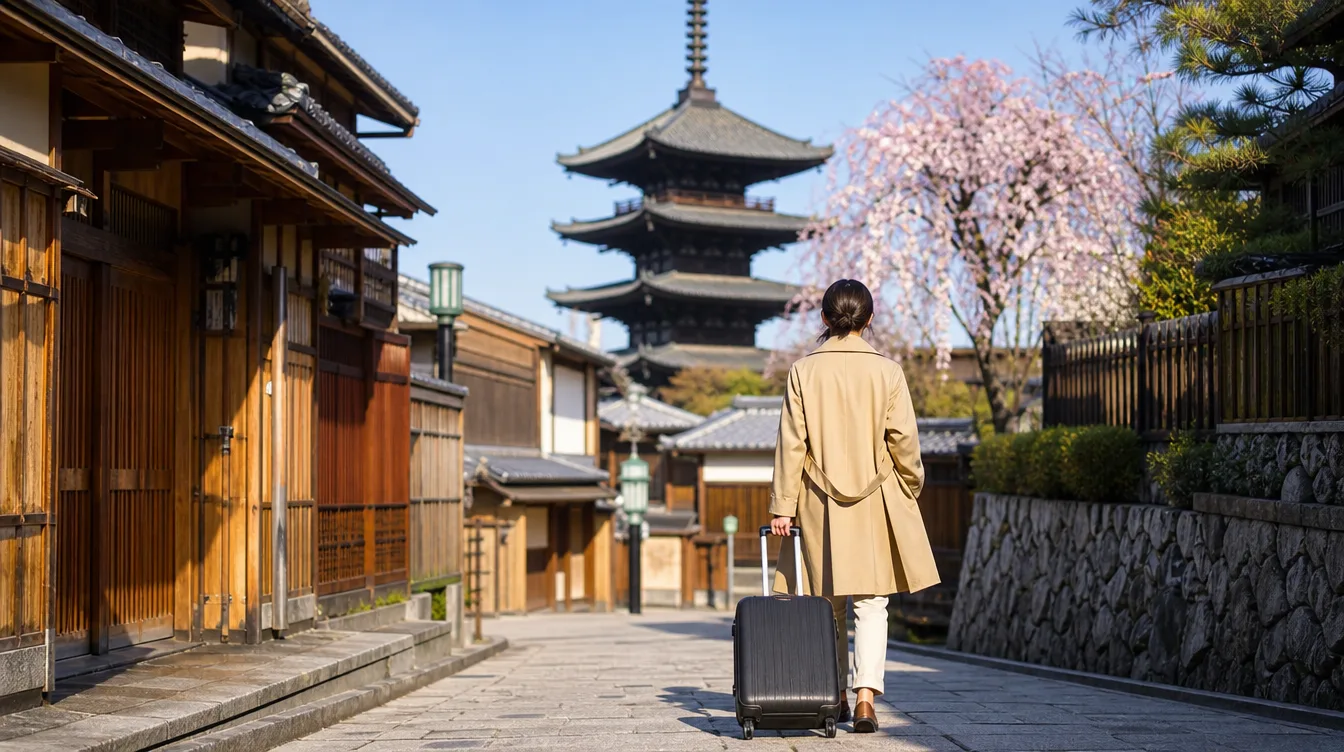
Golden Week runs from Showa Day on April 29 to Children’s Day on May 5. In 2026 the May 6 substitute holiday extends it, giving five days off in a row from Saturday, May 2 through Wednesday, May 6. In 2027 the three May holidays fall Monday to Wednesday, so May 1 through May 5 form a five-day block. Airports, shinkansen trains, and expressways are packed, and hotels can sell out months ahead.
Silver Week 2026 runs from Saturday, September 19 through Wednesday, September 23, combining Respect for the Aged Day, the Citizens’ Holiday, and Autumnal Equinox Day with the weekend. It is the first Silver Week since 2015; the next is not expected until 2032. In 2027 there is no Silver Week, since Respect for the Aged Day (September 20) and the equinox (September 23) are three days apart.
For either period, book transport and accommodation early and confirm opening hours with the business itself. A museum or attraction may stay open but be far busier than usual.
Obon and New Year Are Major Travel Periods, Not Identical Rules
Obon is a Buddhist observance honoring the spirits of ancestors. It is not a public holiday under the Act on National Holidays. In most of Japan it is held in mid-August, in 2026 from Thursday, August 13 through Sunday, August 16; some regions, including parts of Tokyo, observe it in July. Many private companies close, but government offices such as ward offices and the Legal Affairs Bureau, as well as banks, stay open on August 13 and 14.
Mountain Day falls on Tuesday, August 11, 2026. Where an employer closes for Obon on August 13 and 14, workers who take leave on August 10 and 12 get nine days off from August 8 through August 16, which adds to the travel rush.
New Year (oshogatsu) is the longest closure period. Only January 1 is a national holiday, but government offices and courts close from December 29 through January 3, banks from December 31 through January 3, and most companies take a similar break.
Typical customs include hatsumode, the first shrine visit of the year, osechi ryori, and otoshidama money gifts for children. On New Year’s Eve, Buddhist temples ring their bells 108 times in the joya no kane tradition, one strike for each of the 108 earthly desires.
What Japan Bank Holidays Mean for Payments and Public Services
The Bank of Japan closes on Saturdays, Sundays, national holidays, substitute holidays, and from December 31 through January 3. Its 2026 closures include May 3–6 and September 21–23, so time-sensitive transfers around those dates need extra lead time.
Commercial banks such as MUFG, SMBC, and Mizuho also close their branches on national holidays and over New Year. Many ATMs keep running, but hours and fees can differ on holidays, so plan branch visits for regular business days.
Courts close on Saturdays, Sundays, national holidays, and from December 29 through January 3. Most shops, convenience stores, restaurants, and tourist attractions stay open on national holidays; New Year is the main exception, when many smaller businesses close for several days.
Embassy and Consulate Calendars Can Differ From Japan’s Calendar
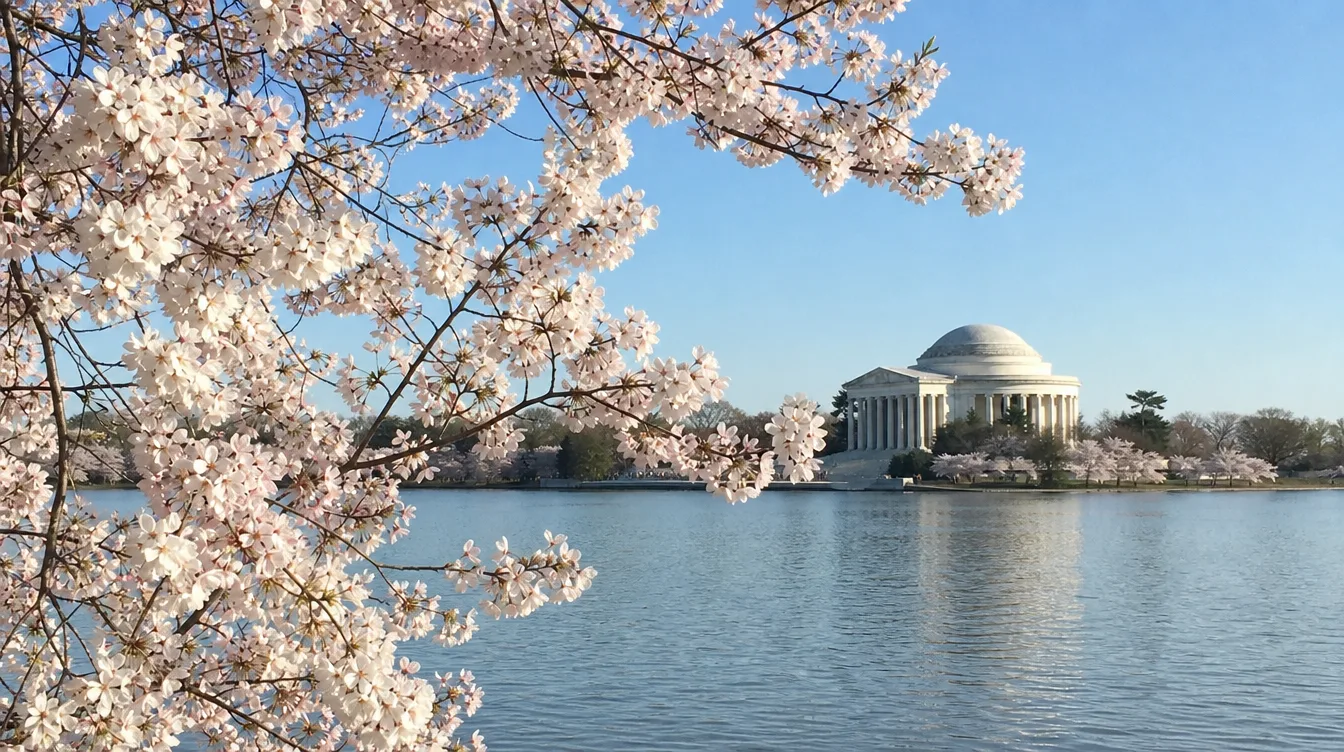
Japanese embassies and consulates abroad set their own closure days. They usually combine selected Japanese holidays with the public holidays of the host country, and the mix differs from mission to mission. The Embassy of Japan in Washington, D.C., for example, closes on U.S. federal holidays plus a list of Japanese holidays and the year-end break, but not on every Japanese national holiday.
The reverse applies to the U.S. Embassy and Consulates in Japan. They close on U.S. federal holidays and selected Japanese holidays. In 2026 the U.S. Embassy in Tokyo stays open on National Foundation Day, Showa Day, Mountain Day, Autumnal Equinox Day, and Culture Day.
Before booking a visa, passport, or consular appointment, check the holiday calendar on the website of the embassy or consulate responsible for your area. A Japanese holiday alone does not tell you whether a mission abroad is open.
Japan Holiday Traditions Add Context to the Calendar
Many holidays come with visible customs. On Children’s Day, families fly koinobori, carp-shaped streamers, and display samurai dolls and helmets; the carp stands for strength because it swims upstream.
On Coming-of-Age Day, local governments hold ceremonies for new adults, many of whom wear kimono or suits. The legal age of adulthood dropped from 20 to 18 in April 2022, but most municipalities still invite people in the year they turn 20.
On Culture Day, the Order of Culture is presented at the Imperial Palace, and some museums offer free entry. On the Emperor’s Birthday, the Imperial Palace usually holds a public greeting at which the Emperor addresses visitors from a palace balcony.
Frequently Asked Questions
How many national holidays does Japan have?
Japan has 16 national holidays under the Act on National Holidays. In 2026, a substitute holiday on May 6 and a Citizens’ Holiday on September 22 bring the number of days off to 18. In 2027, the March 22 substitute holiday makes 17.
Is Obon a national holiday in Japan?
No. Obon, held August 13–16 in 2026 in most regions, honors ancestors’ spirits but is not a legal public holiday. Many private companies close, while government offices and banks stay open on August 13 and 14.
Are banks open on Japanese national holidays?
No. Commercial bank branches and the Bank of Japan close on national and substitute holidays. Many ATMs at banks and convenience stores remain available.
Do Japanese embassies close on every Japanese public holiday?
No. Each embassy and consulate sets its own calendar, usually a mix of host-country holidays and selected Japanese ones. Check the website of the mission responsible for you before visiting.