A yukata is Japan’s casual summer kimono: a light, unlined garment usually made from cotton and worn for festivals, fireworks, and relaxed evenings. The simplest answer to yukata vs kimono is that a yukata is a kind of kimono, but not every kimono is a yukata. The details matter, from the single collar at the neck to the way the left panel closes over the right.
Yukata vs kimono: spot the difference at a glance
Kimono literally means “thing to wear” and is Japan’s national dress. It is a broad category that includes formal garments for ceremonies as well as lighter seasonal forms. Yukata originally means “bath robe.” It developed as a lightweight cotton garment worn after bathing at hot springs and inns, and people historically also slept in it.
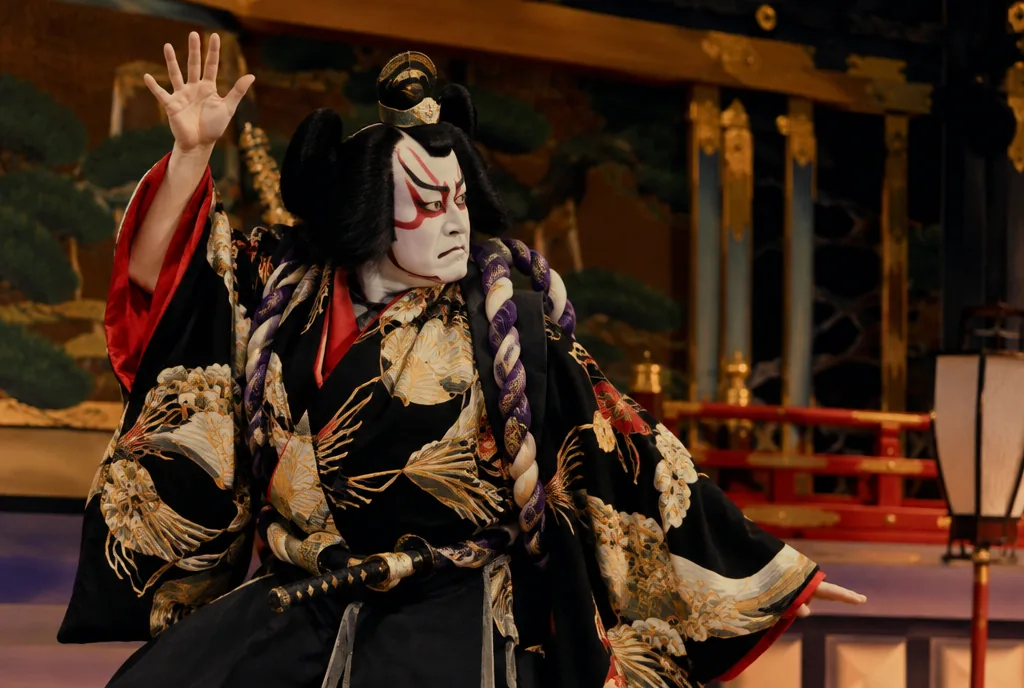
Today, a Japanese yukata remains the casual option. A formal kimono is commonly silk, carefully layered, and worn for occasions such as weddings, funerals, coming-of-age ceremonies, tea ceremony, kabuki, and noh. A yukata is built for summer heat and informal settings.
| Feature | Yukata | Kimono |
|---|---|---|
| Basic role | Casual summer kimono | A broad category that includes formal and seasonal garments |
| Fabric and layers | Always unlined; traditionally cotton or cotton-linen | Formal examples use silk; can be lined or unlined by season |
| Neckline | One visible collar | Two collars: the nagajuban collar shows inside the kimono collar |
| Obi | Usually a hanhaba obi, about 15–17 cm wide and 3.6–4 m long | Formal looks use a fukuro obi about 30 cm wide and 4.2–4.5 m long, or a nagoya obi |
| Footwear | Wooden geta, traditionally barefoot | White split-toe tabi socks with zori sandals |
| Typical setting | Matsuri, fireworks, Bon dances, ryokan | Formal ceremonies and a year-round seasonal wardrobe |
The collar is the fastest visual clue. With a kimono, a full-length under-kimono called a nagajuban is worn beneath the outer layer. Its collar deliberately appears at the neckline, creating the characteristic two-collar look. A yukata has no visible extra collar, so the neckline has one clean layer.
The accessories reveal the same difference. A formal kimono obi may need an obiage, obijime, and shaping accessories such as an obi-ita or obi-makura. A yukata’s narrower obi needs none of those supports. The lighter layering is also what makes a yukata comfortable in humid weather.
Why a yukata feels lighter in summer
A yukata is always hitoe, meaning it has one layer of cloth and no lining. Traditional versions are 100 percent cotton, sometimes blended with linen. The fabric can be light enough for daylight to show through when it is held up. Modern budget yukata are often polyester, which keeps a crease more easily and tolerates machine washing.
That construction contrasts with the formal kimono calendar. Lined awase kimono are traditionally worn from October through May. Unlined hitoe kimono are for June and September, while very sheer usumono are worn during July and August. The change of wardrobe is called koromogae, and its modern dates are June 1 and October 1.
Season has visual meaning as well as practical meaning. Kimono motifs are traditionally worn a few weeks ahead of the season they suggest, since anticipating the coming season is considered elegant. A cherry-blossom picnic in early April, for example, is still too cold for a yukata; a light lined kimono is the appropriate alternative.
Chusen makes the pattern work on both sides
Many traditional yukata use chusen dyeing. Dye is poured from a kettle through stacked fabric, so it penetrates every cotton strand. The result has no front and back: the pattern appears with the same strength on either side. A pale or blank reverse is a useful sign of inexpensive printed fabric rather than chusen dyeing.
Chusen was developed in the Meiji era, from 1868 to 1912. Tokyo, Osaka, and Hamamatsu are its three major historical production areas. Hamamatsu in Shizuoka accounts for roughly half of Japan’s chusen output and is the country’s largest yukata production area. Hamamatsu chusen yukata are hand-washable and can be worn repeatedly in a single summer.
Choose the occasion before choosing the outfit
Yukata belongs to summer leisure. It is a familiar sight at neighborhood festivals, known as matsuri, at fireworks displays or hanabi, at Bon dances, and on evening walks. Children, adults, and visitors may wear it in these settings because its casual construction fits the occasion.
A ryokan adds an important exception to ordinary streetwear rules. Japanese inns provide a yukata for every guest. It can be worn inside the building, to dinner, and to the bath. There, it functions as house wear rather than a formal outfit. Do not treat a ryokan yukata as clothing for going outside the property or for a formal event.
Formal kimono communicates a different level of occasion. A bride may wear white shiromuku at a wedding. Black tomesode is worn for funerals, and furisode, with long swinging sleeves, is associated with unmarried women and coming-of-age ceremonies. Houmongi is visiting wear, while iromuji is a solid-color formal kimono.
This does not make one garment more “Japanese” than the other. It explains their jobs. A cotton yukata at a July fireworks show and a silk kimono at a ceremony belong to the same clothing tradition, but their materials, layers, and social settings are deliberately different.
How to wear a yukata without reversing it
The central rule for how to wear a yukata is short and non-negotiable: right side first, then left side over right. In Japanese, left-over-right for living people is called hidari mae. The reverse, right-over-left or migi mae, is used for burial dressing. It is the most common mistake visitors make, and the one worth checking before you leave.
- Start with undergarments. Put on regular underwear, a thin slip or camisole if wanted, or a light cotton hadajuban to absorb sweat.
- Put the garment on evenly. Hold the center seam at the middle of your back and bring the right panel across your body toward the left hip.
- Close left over right. Bring the left panel on top of the right panel. Keep the front and chest closed rather than letting the fabric gap.
- Secure it with a koshihimo. Hold the wrap closed and tie the waist cord. Women place the obi at the natural waist; men wear it lower, around the hips.
- Wrap the obi twice. A twice-wrapped obi is stable without the elaborate support accessories used with formal kimono.
- Finish the knot and collar. Women often move the finished bow to the back. Men keep the knot at the front or side. Keep the collar snug at the throat.
For women, the collar is pulled slightly away from the nape, leaving roughly a fist-width gap. For men, it sits flush at the neck. That contrast is intentional. At the front, both styles should remain snug; an open chest or a loose collar makes the garment look untidy and can expose the underlayers.
A practical bunko bow for a hanhaba obi
The hanhaba bunko is a popular women’s knot. Measure about 45 cm from one end of the obi and drape that end over the right shoulder. Wrap the remaining length twice around the waist, tie a simple cross knot, and fold the long end into a flat bow. Pinch the bow at its center, then wrap the short end around the center to hold it. Once secure, the bow can be turned to the back.
Men and children can use a heko obi, a soft, crinkled fabric obi that is simply tied in a loose knot. A square kai-no-kuchi knot is also traditional, including for men. The point is a firm, uncomplicated closure rather than a complicated display of accessories.
What to wear underneath and how styles differ
Do girls wear anything under a yukata? Yes. A yukata may be worn over bare skin or over a thin hadajuban, a tube-sleeved cotton undershirt that absorbs sweat. Regular underwear is fine. Seamless underwear is often more discreet because thin cotton can show lines. A thin slip or camisole is another option for modesty while keeping the outfit cool.
What does not belong underneath is a visible extra collar. A kimono needs a full-length nagajuban and its collar is meant to show. A yukata should retain the single-collar look. This is why adding kimono layers to a yukata changes its appearance as well as its comfort.
Yukata is for all genders. Men, women, and children wear it, with differences in sleeve cut, obi style, and tie position rather than a rule that reserves the garment for one group. Men’s yukata have shorter sleeves that are sewn shut to the body for most of their length, narrower shoulders, and a narrow kakuobi or soft heko obi. Women’s sleeves are deeper and more detached from the body, and their hanhaba obi is wider.
The waist position creates an especially clear visual distinction. Men tie the obi low at the hips. Women tie it at the natural waist. Children commonly wear brighter patterns and simpler obi knots at summer festivals.
Common myths that make a yukata look wrong
“A yukata is just a robe.”
The word’s bath-robe origin is real, but it does not describe the garment’s whole modern role. Yukata is recognized summer clothing for matsuri, hanabi, Bon dances, and evening strolls. At a ryokan it is also house wear. Calling it only a robe misses both its history and the occasions where it is expected.
“Right over left is a personal preference.”
It is not. Right-over-left is the burial arrangement. Always place the right panel against the body first and bring the left panel over it. This one check prevents the most conspicuous etiquette error.
“Only women wear yukata.”
Men, women, and children all wear yukata. The difference is in the proportions and styling: men’s sleeves and obi are narrower, while women’s sleeves are deeper and their obi sits higher. Gender is not a reason to avoid the garment.
“Geta means taking big, confident steps.”
With geta, shorter controlled steps work better. Avoid lifting the left foot too high; the hem can open and reveal more leg than intended. The same attention to the hem keeps the front wrap neat throughout an evening.
Foreign visitors can wear yukata respectfully
It is okay for foreigners to wear yukata in Japan. Visitors wearing it are widely welcomed, and the Japan National Tourism Organization promotes yukata experiences as cultural tourism. The respectful approach is straightforward: choose a setting where yukata belongs, wear the left side over the right, keep the collar and obi secure, and treat a ryokan garment as house wear.
Rental shops in Kyoto, Asakusa, and Kanazawa exist in substantial part for foreign visitors and can dress a customer in about 20 minutes. In Nara, foreign customers account for 70 percent of yukata and kimono sales at some stores. A daily yukata rental in Kyoto costs about 3,000–5,000 JPY, compared with roughly 4,000–10,000 JPY for a kimono rental with dressing included.
Renting is useful because fit and fastening are easier to learn in person. It also avoids a false choice between appreciation and correctness. Wearing the garment is welcome; taking the time to close it properly shows care.
Buy for fabric, fit, and repeat wear
An entry-level set with yukata, obi, and waist cord sells in Japanese stores for about 10,000–20,000 JPY, or roughly $70–140. A good chusen yukata from Hamamatsu costs about $150–400, or roughly 22,000–60,000 JPY. The higher price reflects hand dyeing and a pattern that stays equally clear on both sides.
Arimatsu in Aichi offers another route: shibori yukata. Its hand-knotted process has more than 100 named binding techniques. These pieces cost about $400–1,500 and their textured relief is noticeably cooler to wear. Rather than looking only at a pattern from the front, turn the fabric over and compare the color strength.
Ready-made women’s sizes are generally based on height: S suits 155–165 cm and M 160–175 cm. For men, M is 165–175 cm, L 175–185 cm, XL 180–185 cm, and Big is for people over 185 cm, with waist allowances up to 134 cm. A typical women’s yukata measures about 155 cm long, with a 49 cm sleeve length and 67 cm neck-to-wrist measurement.
For a first purchase, choose the fabric according to use. Polyester is practical for crease retention and machine washing. Cotton or cotton-linen offers the traditional lightweight feel. If you want the visual proof of chusen, inspect both sides before buying rather than assuming every printed design is hand dyed.
Frequently Asked Questions
What is the difference between a kimono and a yukata?
A yukata is an unlined, casual summer kimono, traditionally cotton or cotton-linen, with one visible collar and a simple obi. Kimono includes more formal garments, often silk, with seasonal layers, a visible nagajuban collar, and more elaborate accessories.
Do girls wear anything under a yukata?
Yes. Common choices are regular or seamless underwear, often with a thin cotton hadajuban or a thin slip or camisole on top. The goal is comfort and modesty without adding a second collar that would make the yukata resemble a kimono.
Is yukata for male or female?
Yukata is worn by men, women, and children. Men usually wear a narrower obi at the hips, while women use a wider hanhaba obi at the natural waist and have deeper, more detached sleeves.
Is it okay for foreigners to wear yukata?
Yes. Yukata experiences are actively promoted for visitors, and rental shops commonly dress foreign customers. Wear it in an appropriate casual summer setting and make sure the left panel is over the right.
How do you wear a yukata?
Put on undergarments, place the right panel against the body, bring the left panel over it, secure the wrap with a koshihimo, wrap the obi twice, and tie the knot. Keep the collar snug at the front and do not reverse the overlap.